

.svg)


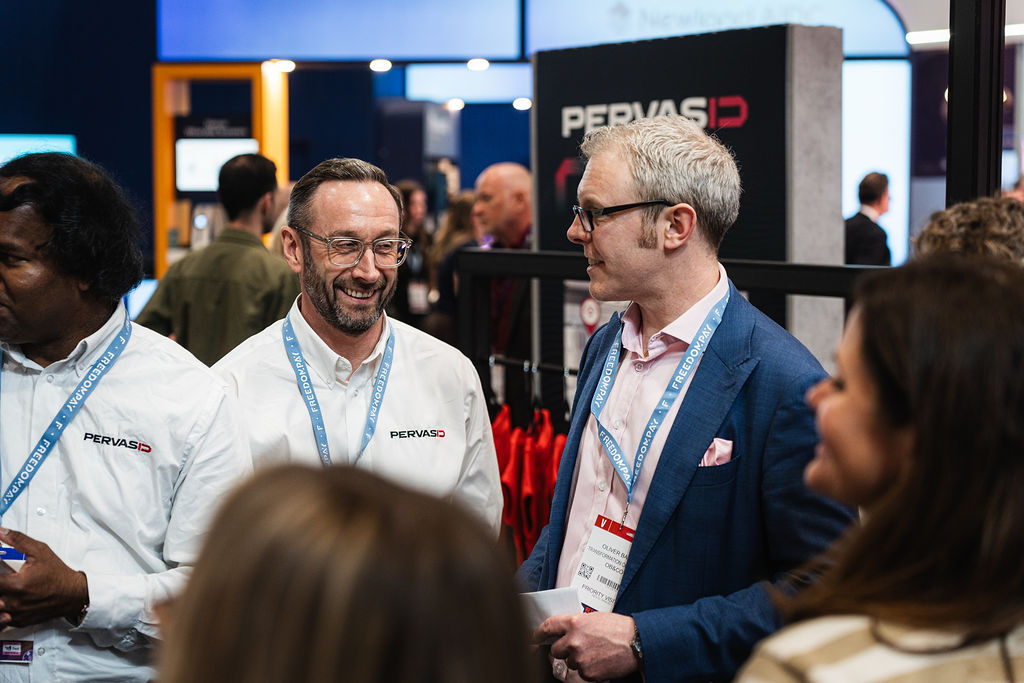
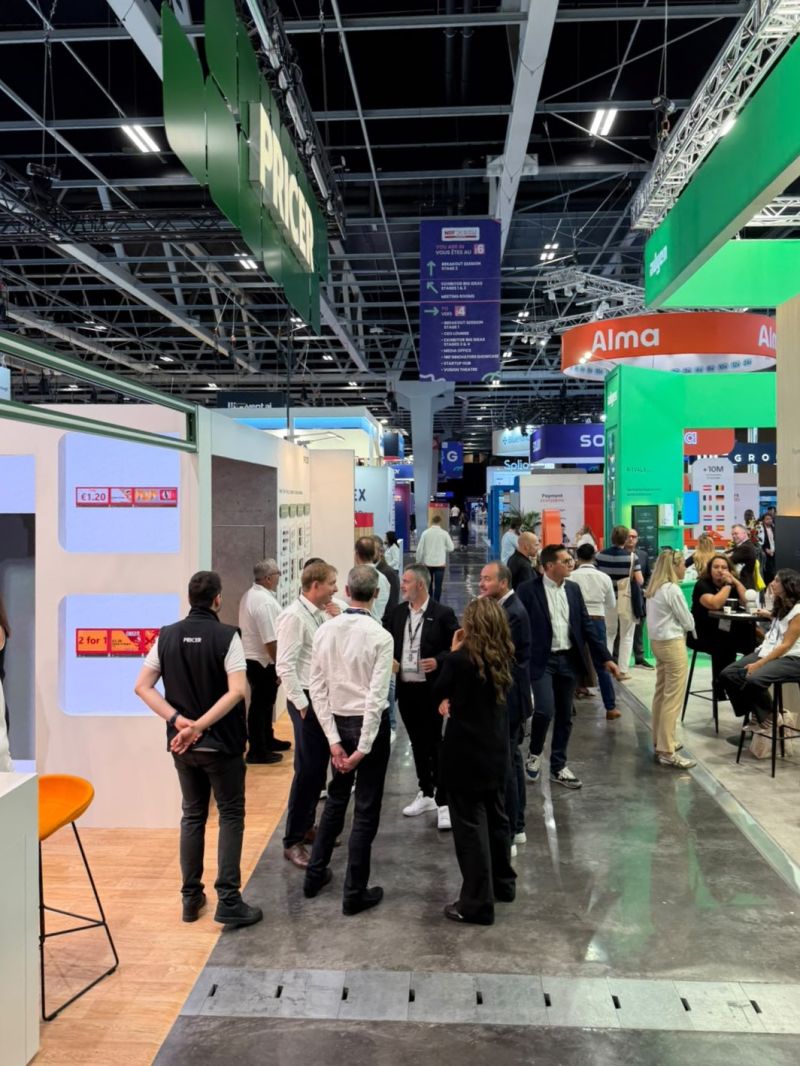
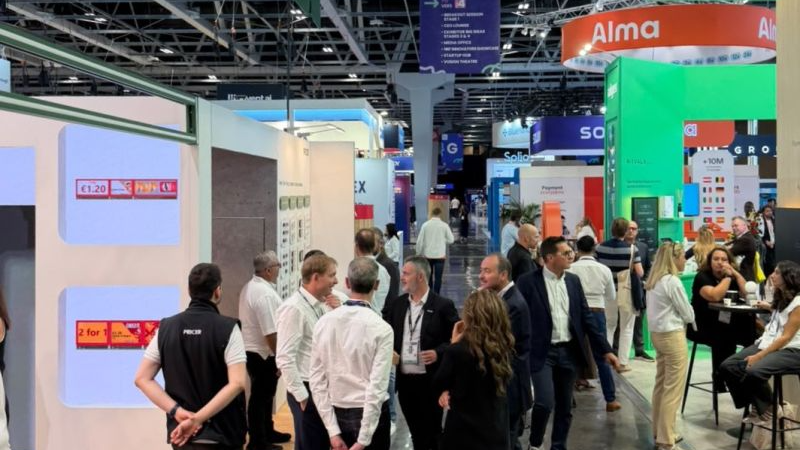
NRF Retail’s Big Show Europe in Paris brought together retailers, technology providers and industry leaders around some of the biggest changes happening in retail. AI was, unsurprisingly, a major part of the conversation, but the emphasis was on putting it to work.
Across merchandising, pricing, logistics and customer service, the question was: where can this technology make day-to-day retail work better?

AI is moving closer to the operation
Agentic AI was one of the most talked-about themes at NRF Europe, with retailers exploring how AI could move beyond recommendations and start taking action across areas such as merchandising, pricing, customer service, demand planning and fulfilment.
But if AI is going to influence or automate more decisions, the information behind those decisions needs to be reliable. A system might route an online order to a store in seconds. If the item isn’t where the stock file says it is, a colleague still has to search for it, and the customer still has to wait.
Faster decisions only help if the store can act on them – that makes the quality of the underlying inventory data a practical concern for anyone investing in AI.
The store is becoming more intelligent
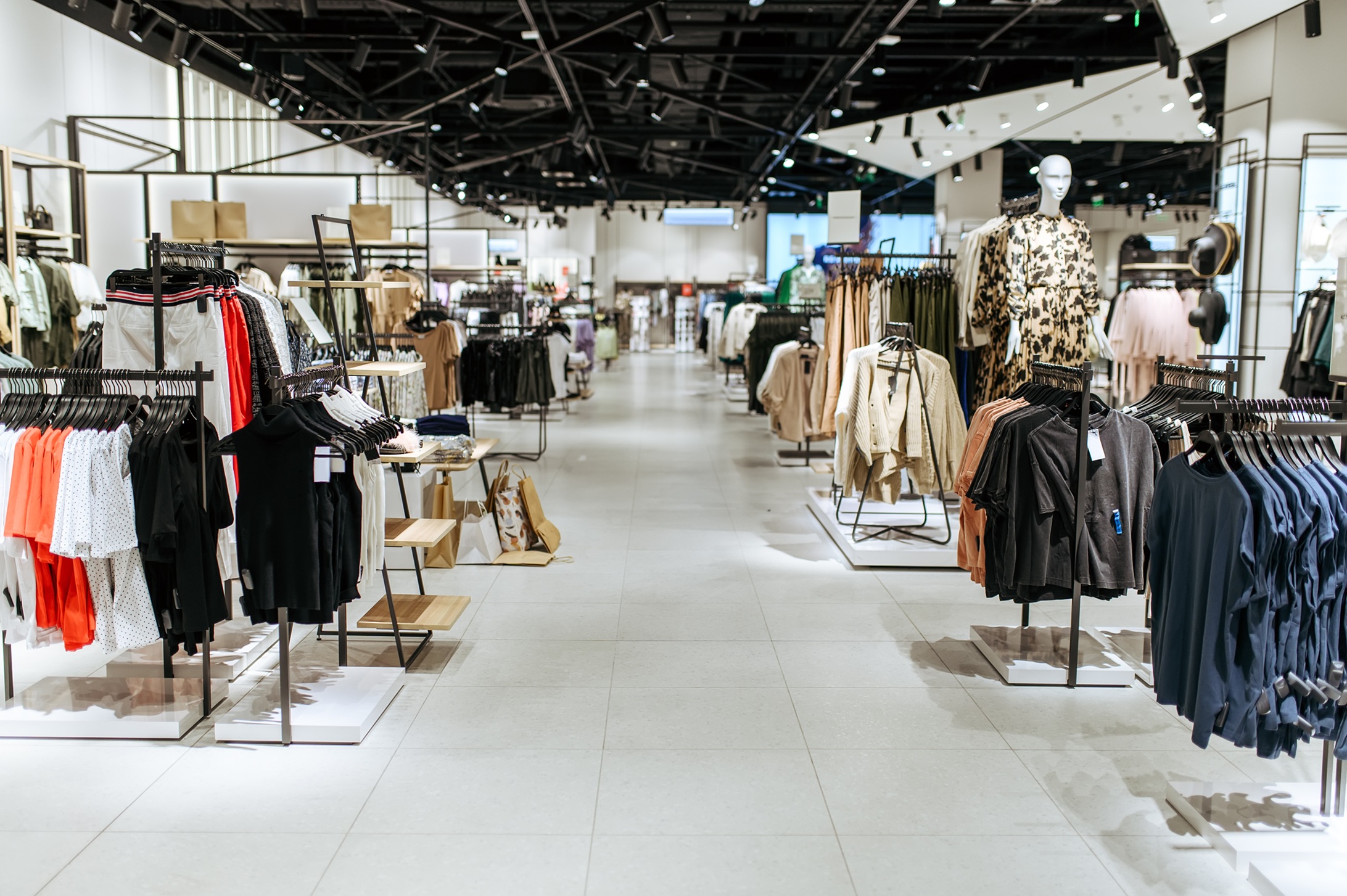
The physical store was another recurring theme at the event, with connected shelves, smart carts, computer vision and other technologies bringing more intelligence into the retail environment.
The role of the store is changing too. It can now be a place to browse and buy, a fulfilment hub, a collection point and an important source of customer and operational data, often all at once.
As physical and digital retail become more closely connected, retailers need a much clearer understanding of what is happening on the shop floor. A customer might check availability online before travelling to a store, place an order for collection or expect an item to be available for fulfilment, but all of those experiences ultimately depend on the physical stock being where the system says it is.
The same item can be wanted by a shopper in the aisle and a colleague picking an online order, but a connected store needs to help teams manage that reality.
Technology needs to solve actual problems
Another theme that came through strongly in Paris was the importance of starting with the business problem rather than the technology itself.
There is no shortage of new tools and capabilities for retailers to explore, but the most useful ones are those that make a measurable difference to the way a business operates. That could mean helping a store team find stock more quickly, improving availability, reducing friction in fulfilment or avoiding a cancelled collection order.
The same applies to automation – the opportunity is to remove some of the repetitive work that gets in the way of good retail execution while giving colleagues better information to make decisions. If teams are still spending time checking, searching and correcting, that needs to be part of the assessment too.
Building the data foundation for what comes next
As retailers connect AI and automation more closely with store operations, they need to consider how quickly their inventory information falls behind. A stock count might be accurate in the morning, but deliveries, returns and products moving around the store can change that picture throughout the day.
Always-on RFID can provide ongoing visibility by continuously tracking inventory at item level, helping retailers understand what stock is there, where it is and how it is moving throughout the day. That reduces reliance on periodic checks and helps teams identify discrepancies while there is still time to act.
Giving retail technology a clearer view
Our takeaway from NRF Europe is that the next phase of retail technology will be judged on execution: can an order be picked, a product found and a customer served as promised?
PervasID’s TrackMaster provides continuous, real-time inventory visibility using hands-free passive RFID, helping retailers create a more accurate physical data layer for store operations, fulfilment and the digital systems that depend on it.
See how TrackMaster can give your retail systems a clearer view of what’s really happening in-store by visiting our TrackMaster page.