

.svg)


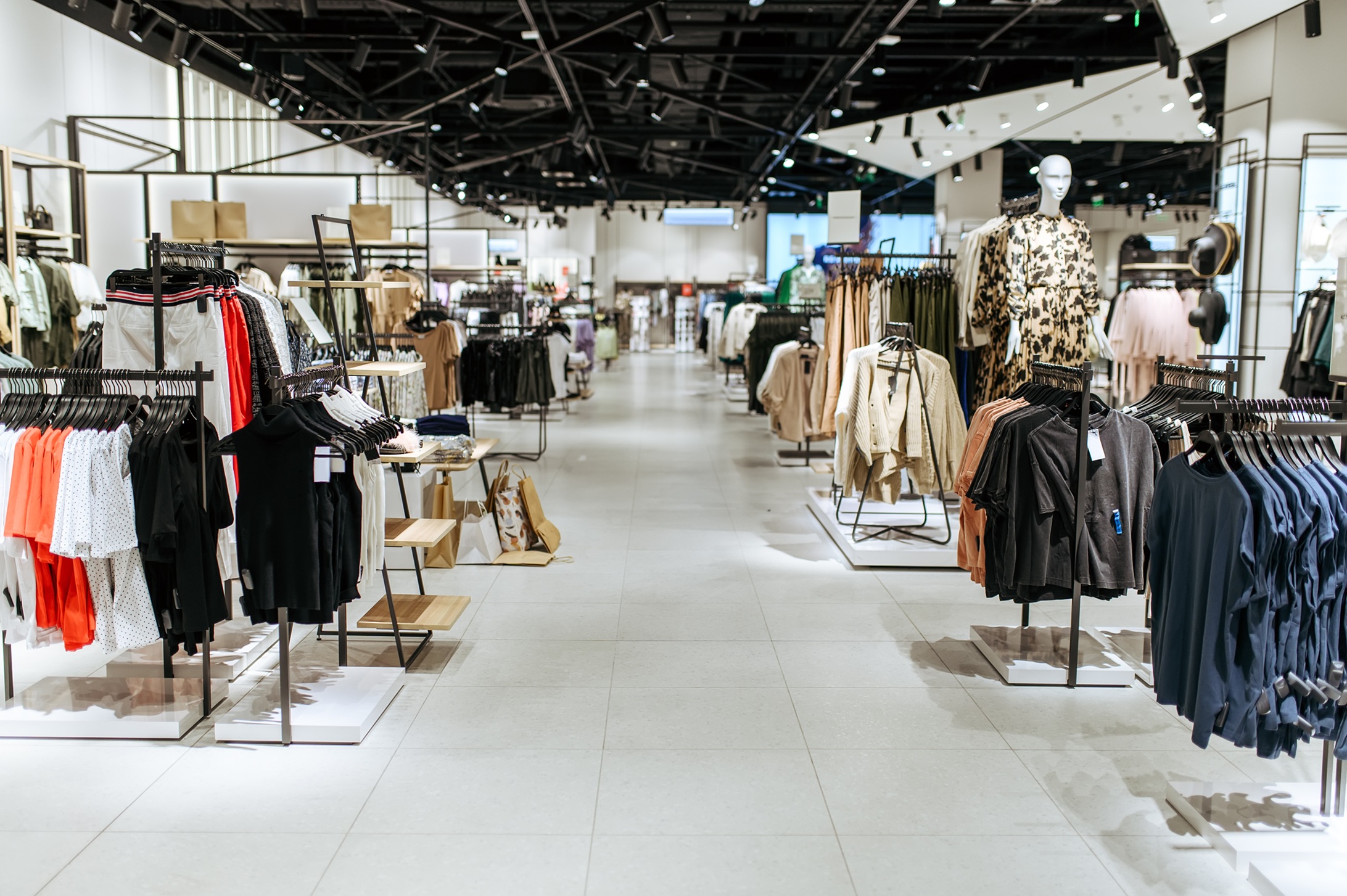
Picture this: a jumper sits folded in a stockroom, three feet from an empty rail. A shopper walks past that rail, assumes the store doesn't have their size and walks out empty-handed because nobody could find it. Most 'unsold' stock is like that jumper – it’s not unwanted, just invisible.
From 19th July 2026, the EU has banned retailers from destroying unsold clothing, accessories and footwear. Between 4% and 9% of unsold textiles in Europe were being destroyed before they were ever worn, adding up to roughly 5.6 million tonnes of CO₂. However, banning destruction only deals with the last part of a much longer story. By the time items are marked for disposal, the real failure happened weeks earlier, when it slipped out of view and nobody noticed until it was too late to matter.
Stock doesn't go ‘unsold’ overnight
Ask any store manager and they will probably tell you that the gap between ‘in stock’ and ‘findable’ is where sales die. That's a big location problem playing out in stores every single day.
Retailers have got remarkably good at reading digital behaviour, telling you what a customer clicked on, hovered over and abandoned in a basket last Wednesday at 11pm. Ask the same retailer whether a specific jumper is on the rail or sitting in a returns pile waiting to be processed and the confidence usually disappears. That gap is where sustainability actually starts, because you can't resell a garment you can't locate.
Give the customer the same certainty
Retailers already have location data sitting inside always-on RFID, but the next step is putting the same certainty directly into the customer's hands, whether that's an app that points them to the right rail or a screen by the entrance that says ‘aisle 3, next to the fitting rooms’. Give someone the confidence to walk in and walk straight to the product and a maybe-sale becomes a sale. ‘In stock’ should mean findable and ready to buy, not just present somewhere in the building.
Retail is a moving picture
Inventory accuracy isn't a photograph. The store never stops moving, with new deliveries landing, returns coming back and fitting rooms filling up, so that photograph is out of date almost as soon as it's taken.
Fixed, always-on RFID throws out the photograph and gives you the moving picture instead, where every tagged item is tracked continuously, without anyone lifting a scanner. That turns inventory into a live signal you can act on – go and restock a rail before it empties, point a colleague straight to a misplaced item or move stock to where it'll actually sell before it ever reaches a markdown rail.
This is retail intelligence. A system that tells you whether those ten units are in the right place, available to buy and worth acting on right now. As retailers pour money into AI for forecasting and replenishment, that physical layer stops being a nice-to-have.
Compliance is the floor
The EU ban gives retailers a good reason to look harder at what happens to stock that doesn't sell. Donating, recycling and reselling stock all beat destroying it, but they only happen once most of the value has already gone. The real win is catching that garment while it can still be sold at full price, to the right customer, in the right store, before it ever needs rescuing.
Ask a retailer what they destroyed last year and they'll have a figure. Ask what they lost track of and most probably won't have an answer. The way I look at it, destroyed stock is the waste you can see and invisible stock is the waste that caused it.